China Factory-Direct Labeling and Packaging Solutions for Small & Medium Businesses in Food, Personal Care and More

3 Common Causes of Label Breakage in Automatic Labeling Machines
Why does label breakage happen in an automatic labeling machine? This article explains 3 common causes of label breakage, including label material issues, peel plate problems, and tension mechanism adjustment.
1/11/2023
Hello!
Contact Us for Free Expert Support
What issue are you facing?


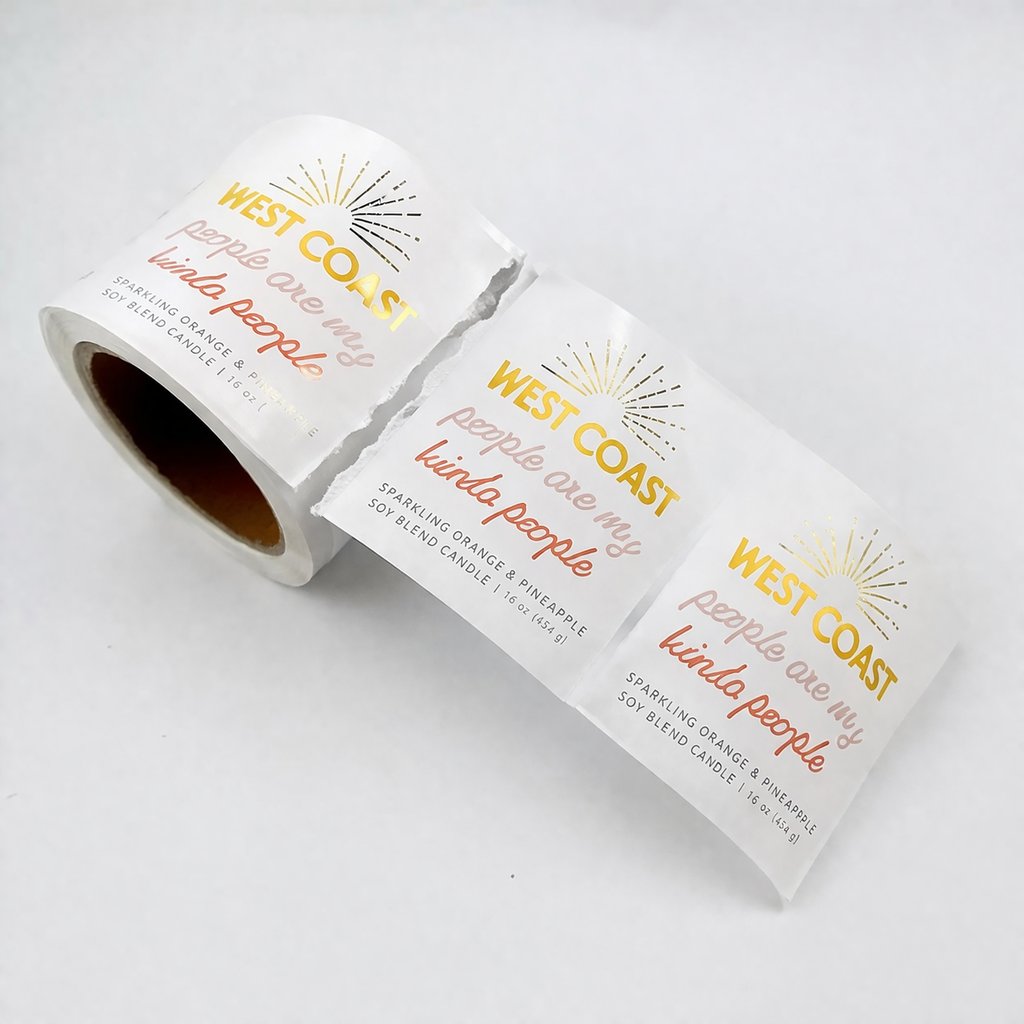
Label breakage is a common problem during the operation of an automatic labeling machine. When this happens, it can affect labeling efficiency and machine stability. In most cases, the cause can be found in the following three areas: the label itself, the peel plate, and the tension mechanism.
1. Problems with the Label Itself
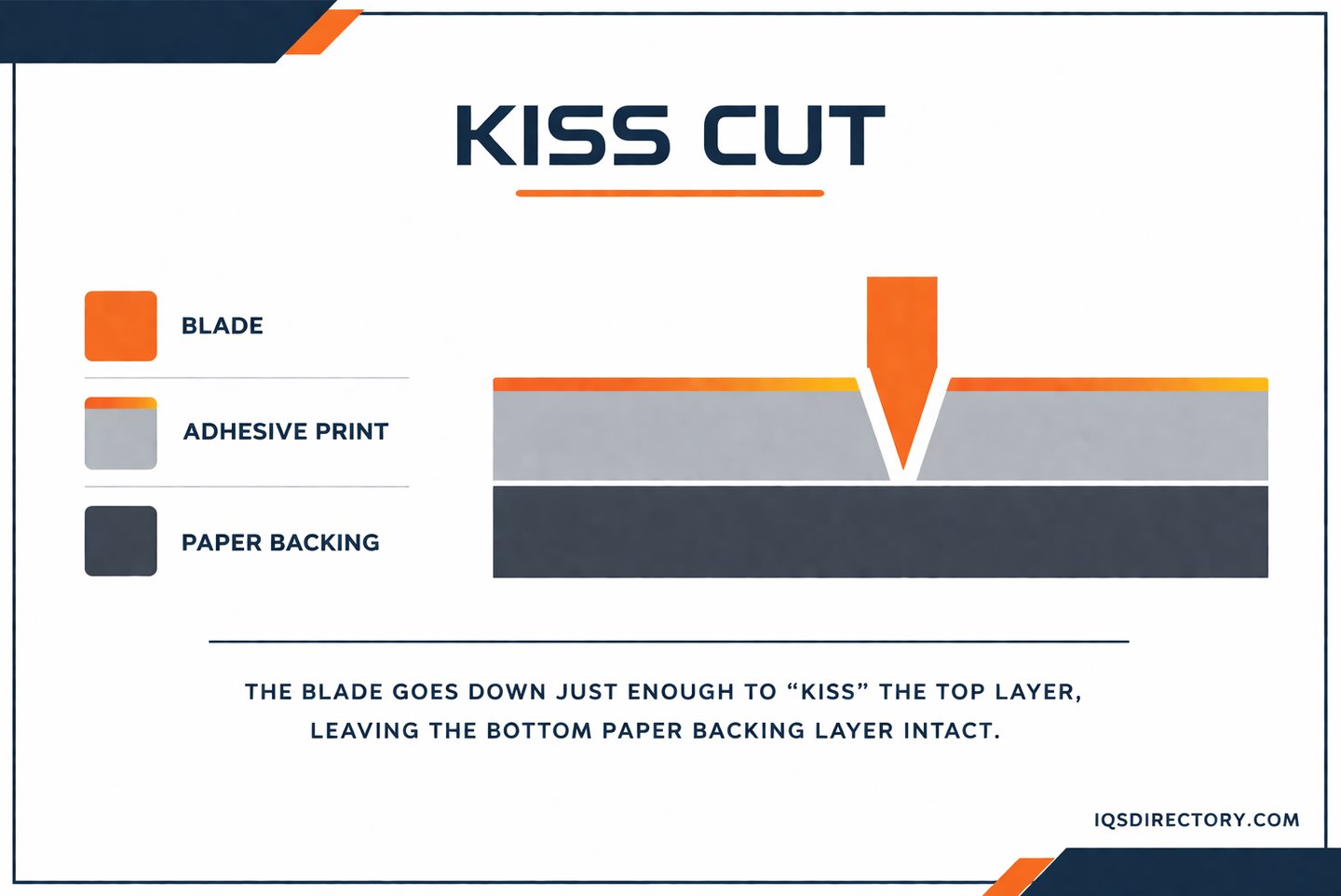
Damage to the label liner is one of the common causes of label breakage. A clear sign of this issue is that the broken edge looks very neat. If you check carefully, you can often see visible cut marks on the liner. This usually happens because the die-cutting pressure was too heavy during label production, which cut into the liner. In this case, the labels usually need to be remade.
Incorrect liner material can also cause label breakage. Standard labels for automatic labeling machines usually use a glassine liner. Compared with glassine, coated paper liners may not have enough strength, which can easily lead to label breakage during operation.
Suggested image: Close-up of a label liner with clean cut marks or die-cut damage.
Suggested image alt text: Damaged label liner causing label breakage in an automatic labeling machine.
2. Problems with the Peel Plate
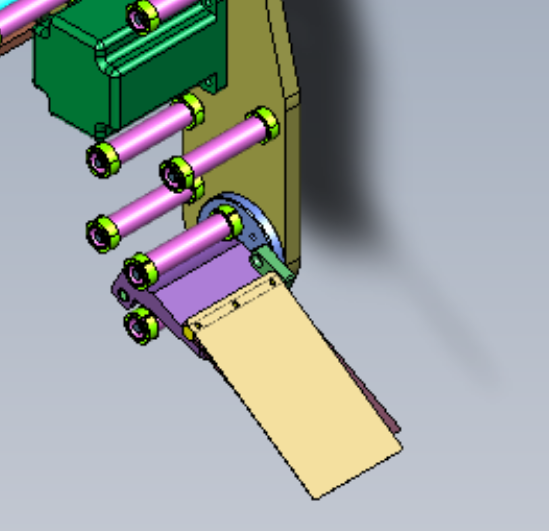
In addition to label material issues, the peel plate is another main cause of label breakage.
One common reason is that the peel plate edge is too sharp. The peel plate is usually made through sheet metal processing, and if too much material is removed at the edge during machining, the edge can become too sharp. As the label passes over it, the liner may be cut, causing breakage. The usual solution is to polish the edge by hand so that the transition becomes smoother and more rounded.
Another cause is incorrect assembly of the peel plate on the automatic labeling machine. If the blade edge is not level, the label may be subjected to uneven force while passing over the edge, which can also result in label breakage.
Suggested image: Close-up of a peel plate edge on a labeling machine.
Suggested image alt text: Peel plate edge on an automatic labeling machine affecting label dispensing.
3. Problems with the Tension Mechanism of the Automatic Labeling Machine
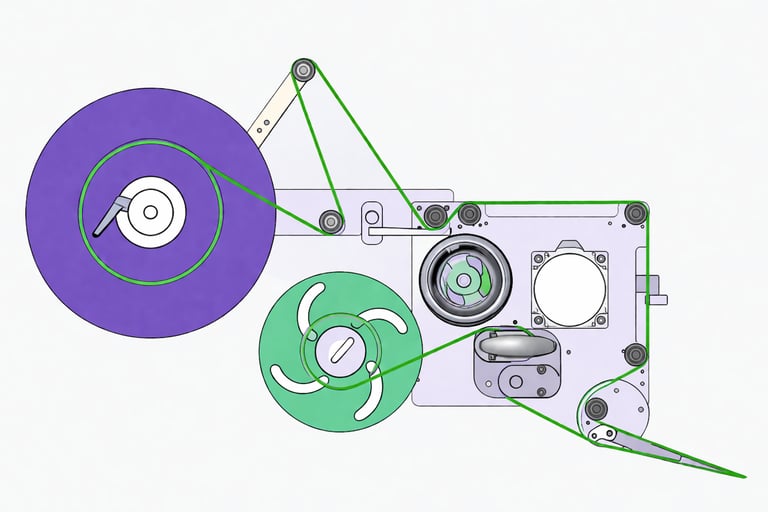
In the labeling head section, the purpose of the tension mechanism is to ensure that the label separates from the peel plate evenly and steadily during the pulling process. For this reason, the label must maintain a certain level of tension.
However, if the tension is too high, the label may break during operation. This problem can usually be solved by reducing the pressure of the pressing spring plate or adjusting the spring force of the brake rod, so that the pulling force on the label is lowered.
Suggested image: Labeling head tension or unwinding mechanism on an automatic labeling machine.
Suggested image alt text: Tension mechanism of an automatic labeling machine causing excessive pulling force.
Conclusion
When label breakage happens in an automatic labeling machine, it is recommended to check these three areas first:
Whether the label liner is cut or the liner material is unsuitable
Whether the peel plate edge is too sharp or not installed level
Whether the tension mechanism is adjusted too tightly
By checking these points one by one, most label breakage problems can be identified and solved quickly.
Let our engineers contact you:

Contact us



8613564099885
8613564099885
sales@okoauto.com
No.2, Lane 288, Qianfan Road,
Xinqiao Town, Songjiang District,
Shanghai, China